Global Dialogue in Practice: A Study Visit on Digital Education Governance in Wuhan
On May 14, 2025, as part of the World Digital Education Conference held in Wuhan, I worked in my role as a Digital Education Consultant to coordinate a three-day study visit for Gateways member countries’ focal points, alongside participation in the parallel forum on Global Digital Education Governance: Openness, Sharing, and Mutual Learning.
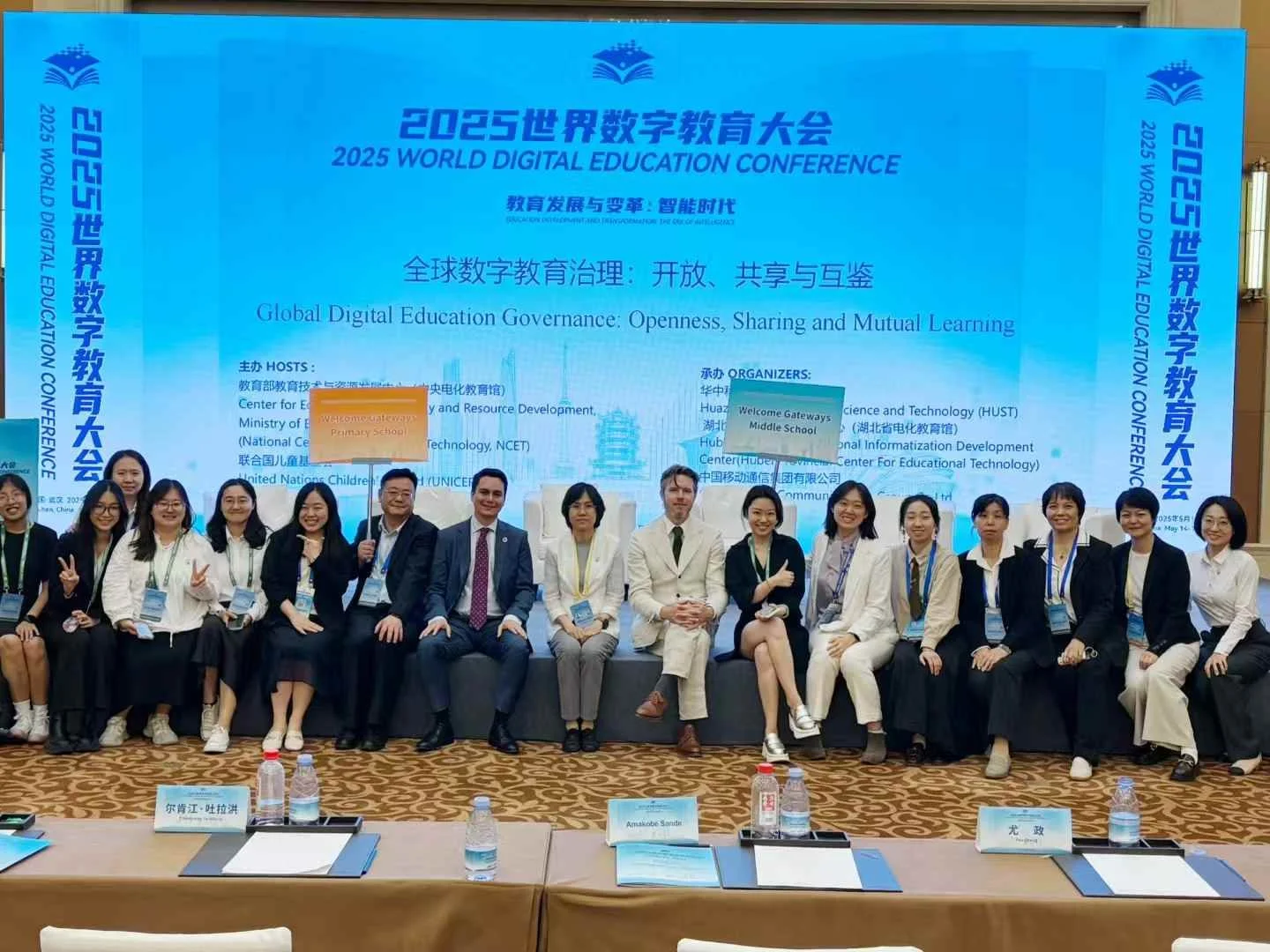
The purpose of this parallel forum was to move beyond isolated national experiences and create a shared space for dialogue around some of the most pressing questions in digital education today: how to promote balanced development, ensure quality, and advance equity in increasingly digital learning systems. Representatives from different countries shared their progress, challenges, and lessons learned in education digitalization, contributing to a deeper, comparative understanding of how governance frameworks shape educational outcomes.
The forum was guided by UNICEF and the National Center for Educational Technology and Resource Development of China’s Ministry of Education, and co-organized by Huazhong University of Science and Technology and the Hubei Provincial Education Informatization Development Center. While consensus-building and policy dialogue were central to the agenda, the program deliberately extended beyond conference rooms into real learning environments.
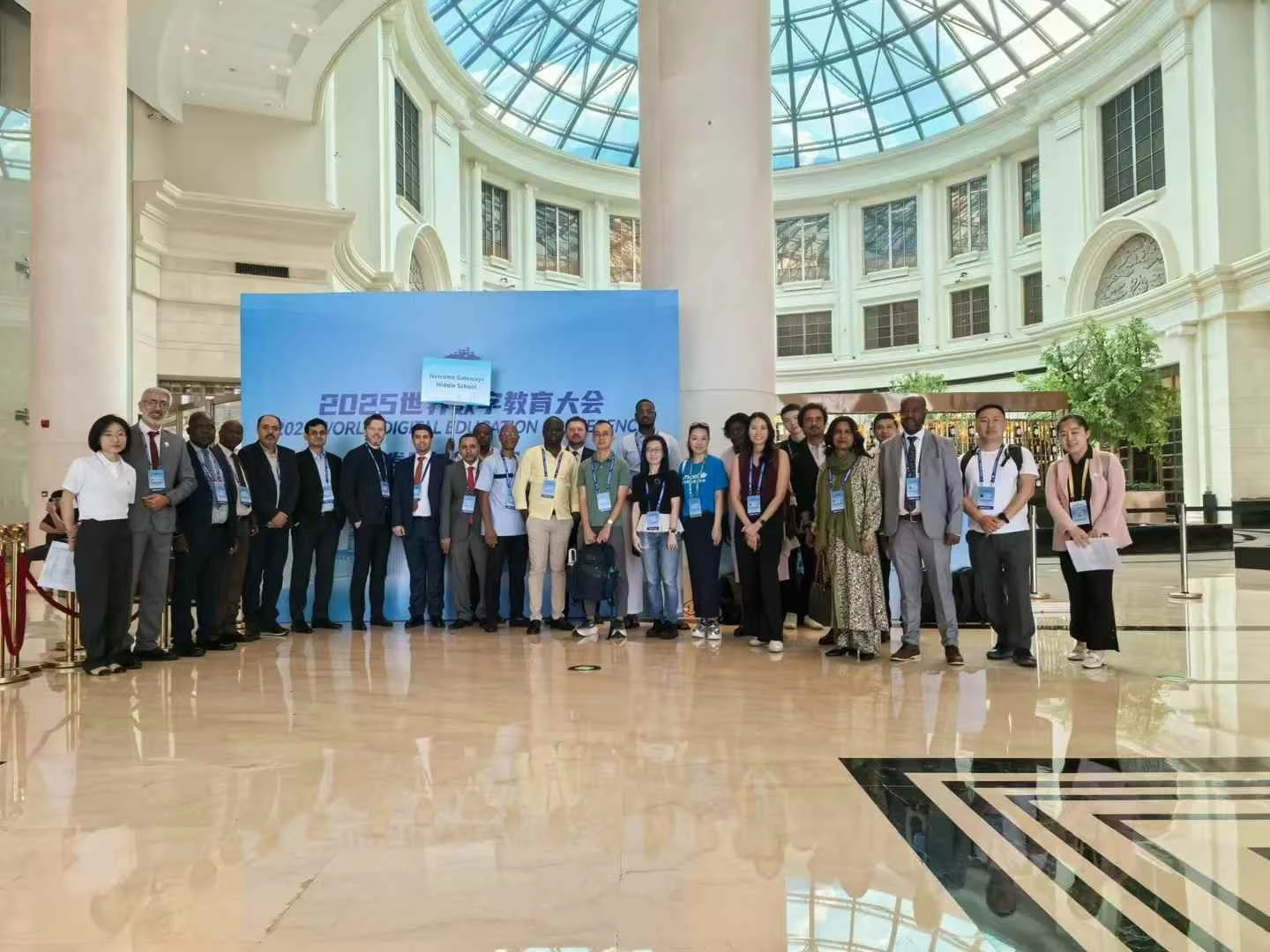
As part of the study visit, we organized follow-up visits to two secondary schools in Wuhan, allowing participating focal points to observe how digital education policies translate into daily teaching and learning practices. Through classroom observations, discussions with school leaders and teachers, and hands-on demonstrations of digital platforms, participants gained insight into how data systems, learning platforms, and pedagogical models are being integrated into contemporary schooling in China.
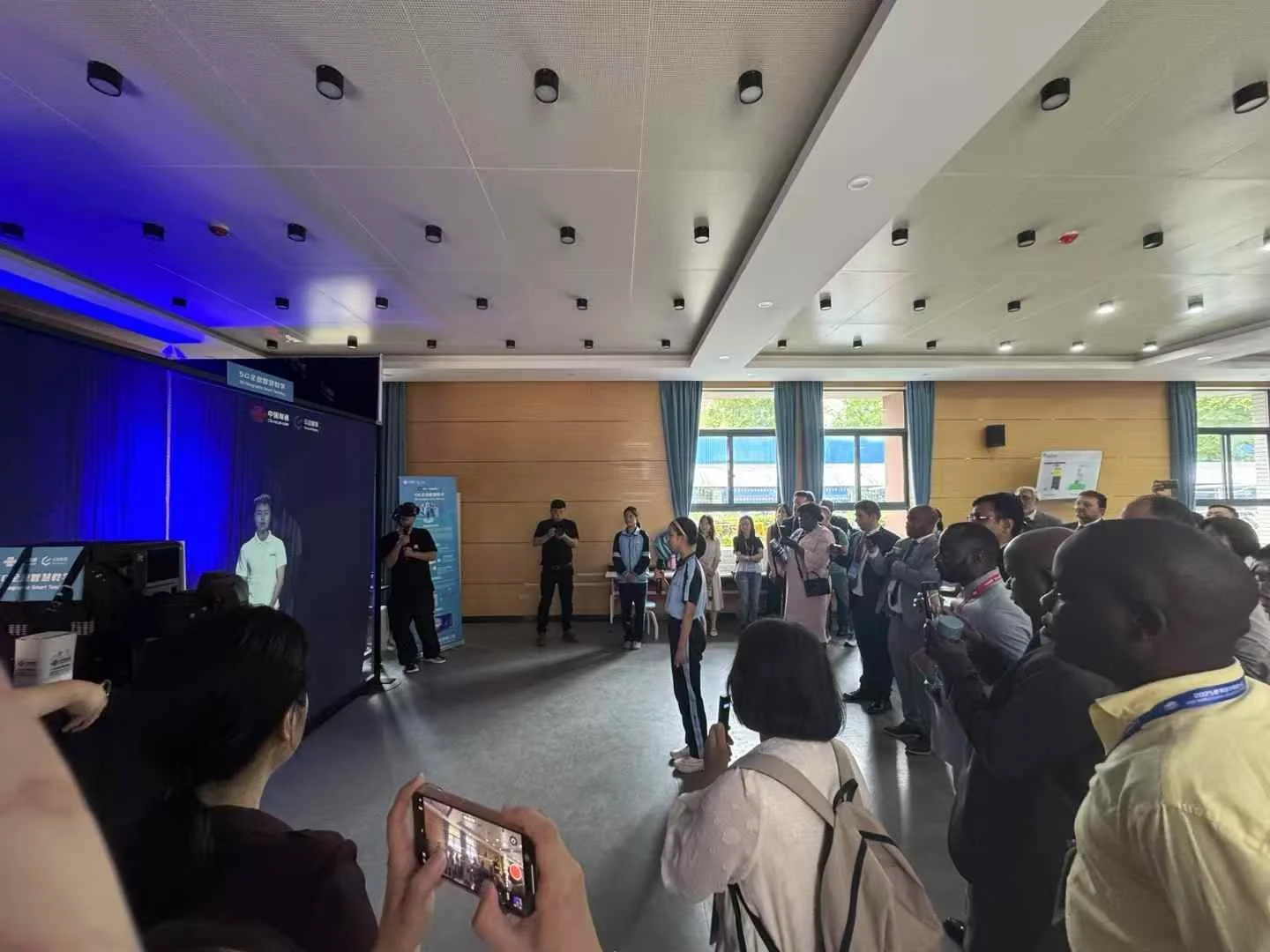
For me, this combination of global dialogue and local observation was especially meaningful. Digital education governance cannot be understood through policy frameworks alone—it must be examined through how technology is actually used by teachers and students, how schools adapt to change, and how systems respond to diverse learner needs. The study visit created a shared reference point, enabling participants from different national contexts to ground abstract discussions in concrete practice.
This experience reinforced my belief that effective global digital education governance depends on openness, shared learning, and sustained exchange—not only of ideas, but of lived educational realities. As digital transformation accelerates worldwide, platforms like the World Digital Education Conference and initiatives such as the Gateways network play a crucial role in connecting policy, practice, and international cooperation. I am grateful to have contributed to this process and look forward to continuing work that bridges global dialogue with grounded, field-based learning.
