Learning from Heritage: Reflections on Volunteering with UNESCO at Foguang Temple
From July 3 to July 13, 2025, I joined the UNESCO World Heritage Volunteers (WHV) Initiative at Foguang Temple, a thousand-year-old wooden monastery nestled in Shanxi Province. What I expected to be a heritage volunteer program gradually became something deeper: a lesson in responsibility, systems, and how knowledge is carried across time.
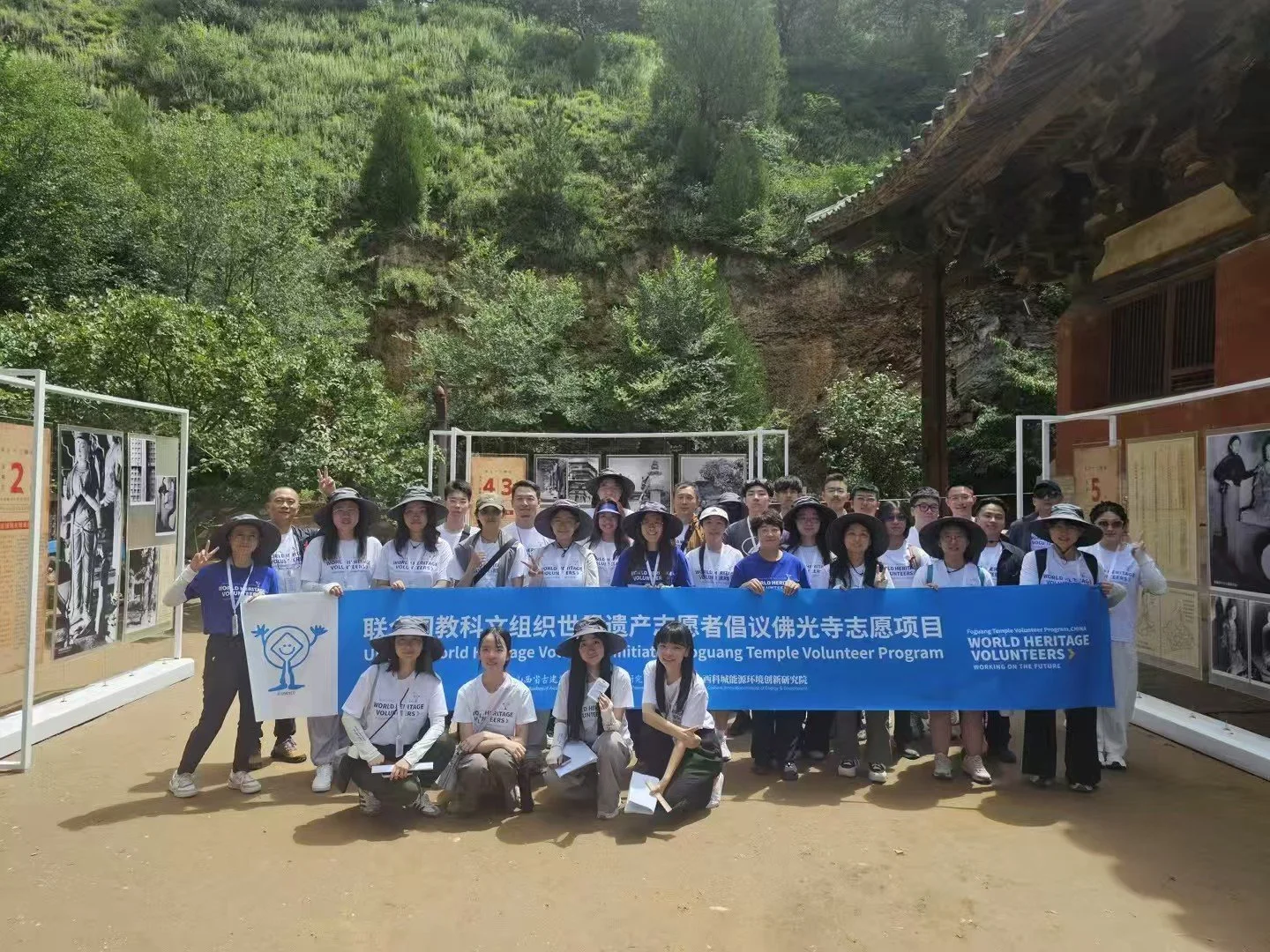
Together with volunteers from different countries and backgrounds, I took part in daily site operations—visitor guidance, public interpretation, cultural communication, and field research on surrounding heritage sites. These tasks were simple on the surface, yet they revealed how fragile living heritage truly is. Preservation is not only about protecting structures; it is about sustaining meaning, behavior, and collective care in everyday practice.
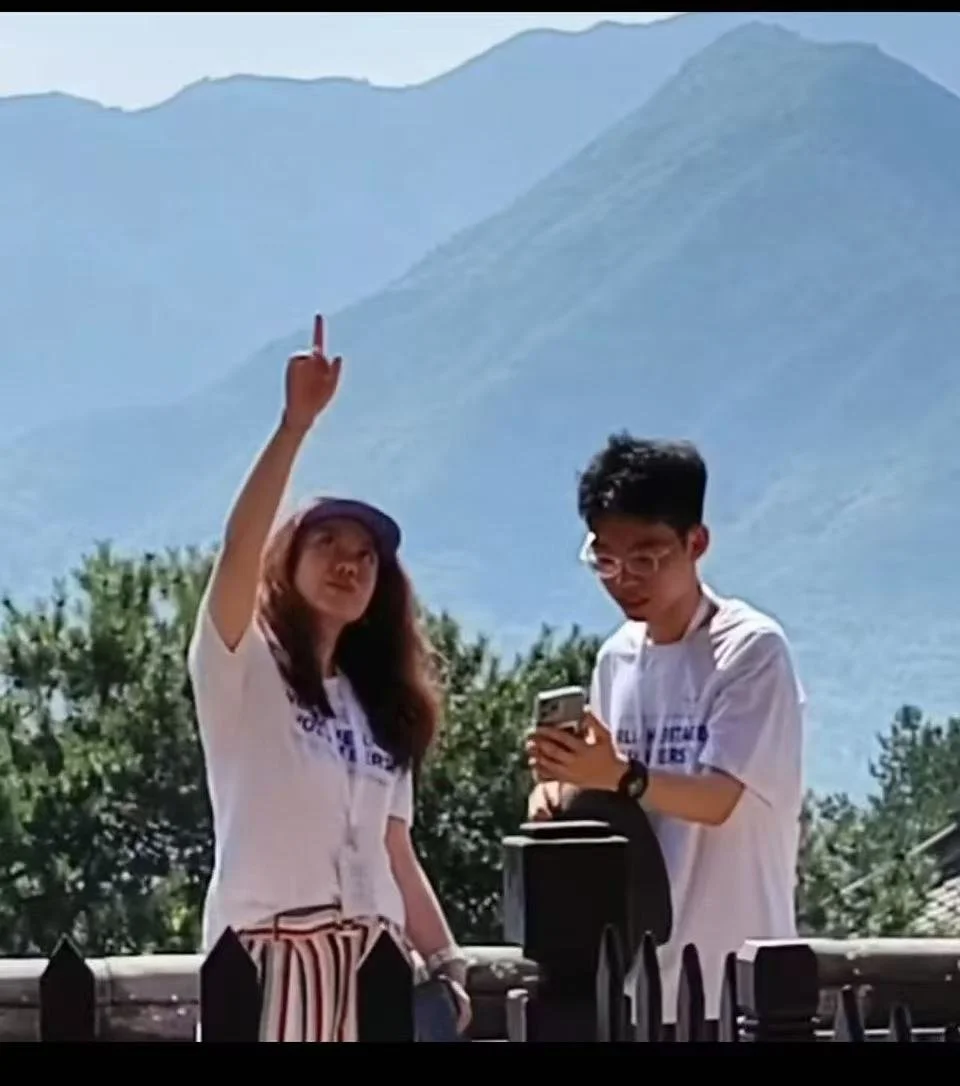
What shaped me most was the program’s emphasis on learning alongside service. Through a series of intensive workshops led by experts in heritage conservation, climate change, and oral history, I began to see cultural heritage as a complex system—one deeply affected by environmental shifts, social change, and public awareness. Climate risks, emergency response, and long-term sustainability were not abstract concepts; they were immediate, practical concerns embedded in each wooden beam and painted surface.
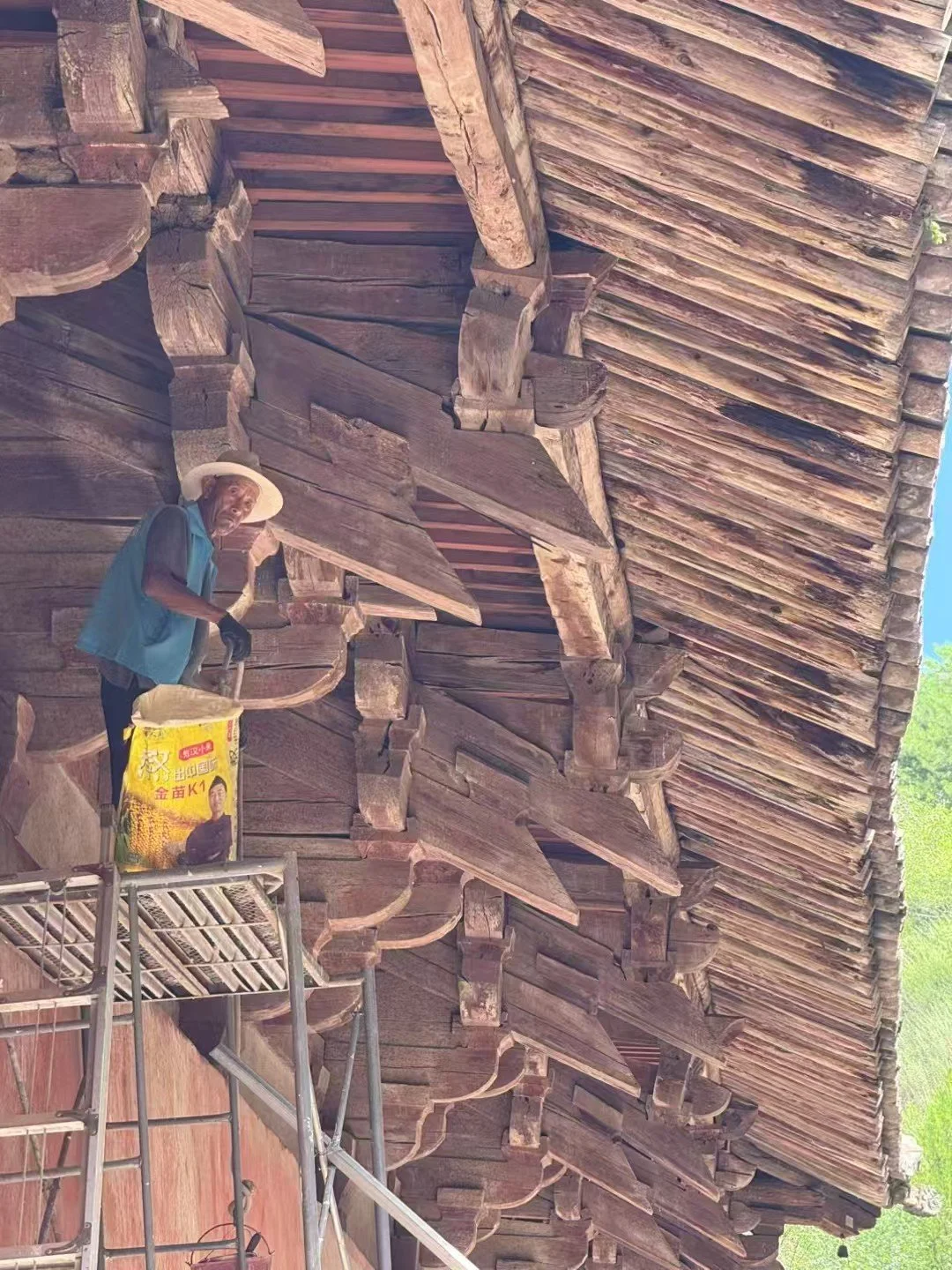
Foguang Temple became more than a historical site. It was a lens through which we examined how societies respond to uncertainty and how knowledge survives disruption. Discussions among volunteers often returned to the same question: how can preservation move beyond expert circles and become a shared social practice? The answer, I realized, lies in participation—when people are invited not only to observe heritage, but to learn from it and take part in its care.
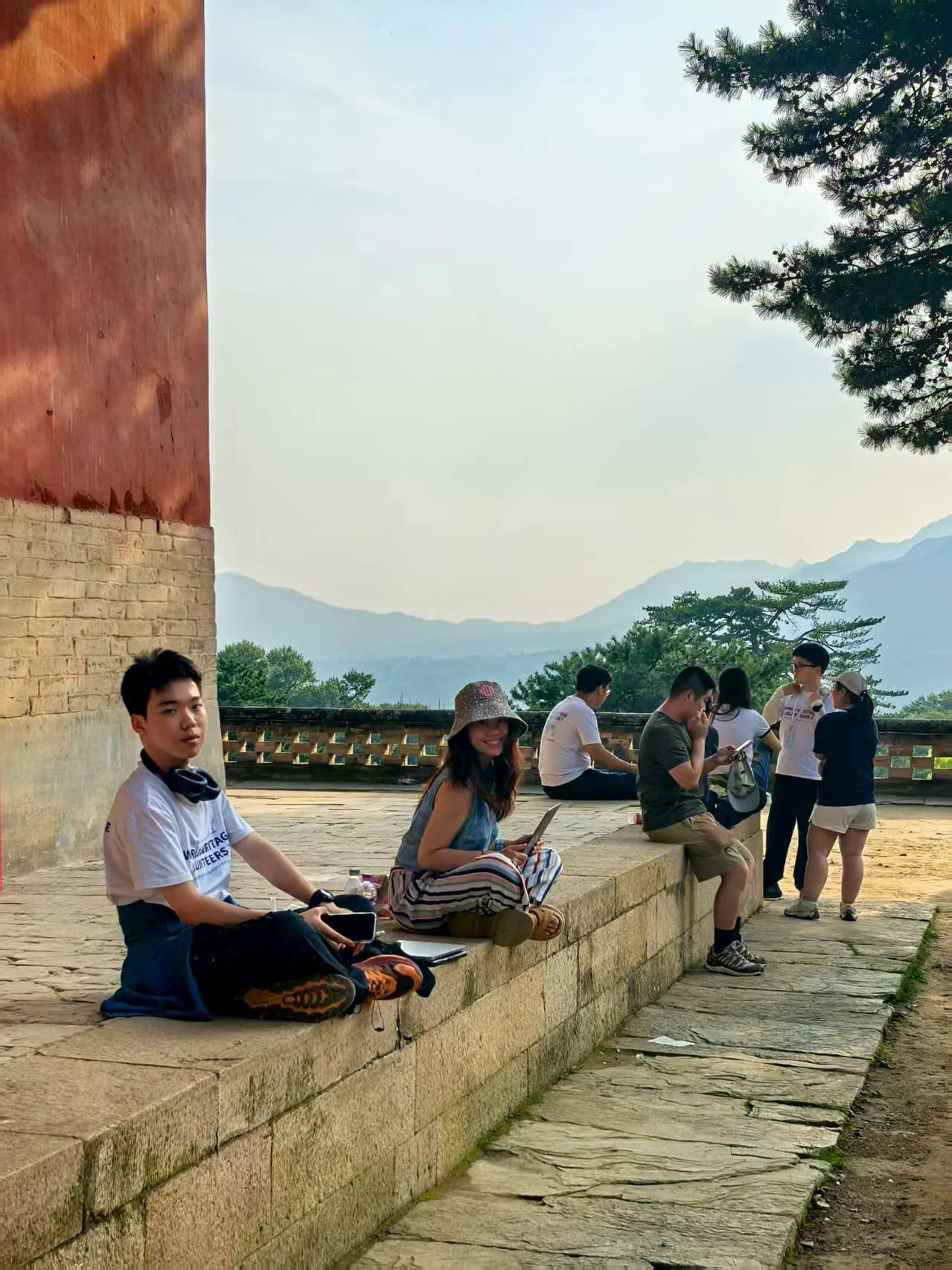
This experience resonated deeply with my broader work in education and learning systems. Just as meaningful learning cannot rely on access alone, heritage protection cannot depend solely on institutions. Both require structures that invite understanding, responsibility, and continuity. The “volunteering plus learning” model offered by the WHV initiative showed me how powerful this integration can be.
Leaving Foguang Temple, I carried with me a renewed sense of humility and commitment. Cultural heritage is not frozen in the past; it is something we actively sustain. In a rapidly changing world, preserving it is not only about memory, but about designing systems—social, educational, and cultural—that allow wisdom to remain alive. I hope to continue contributing to this shared effort, ensuring that places like Foguang Temple can continue to speak meaningfully to future generations.
